

AI-Powered Business Intelligence Lead Generation blends data aggregation, machine‑learning models, and visual analytics to surface high‑value prospects, automate scoring, and keep the pipeline moving. By wiring monitoring tools such as Prometheus to visualization platforms like Grafana, teams get real‑time insight into lead quality and can turn raw signals into qualified opportunities. Learn more about Python […]

AI-powered lead scoring blends firmographic, behavioral and historical conversion data into a single numeric rating. When the rating lives inside a CRM, sales reps can automatically surface the most promising prospects, focus outreach on them, and monitor impact through metrics such as qualification scores, deal velocity and win‑rate trends. Why does AI-powered lead scoring matter […]

AI‑driven role‑play uses large language models to generate realistic sales conversations, letting reps rehearse objection handling at scale. By linking scenario outcomes to CRM data, teams can track skill growth, increase qualified opportunities, and improve close rates across multiple B2B markets. What is AI roleplay sales training? AI roleplay sales training leverages conversational AI, typically […]
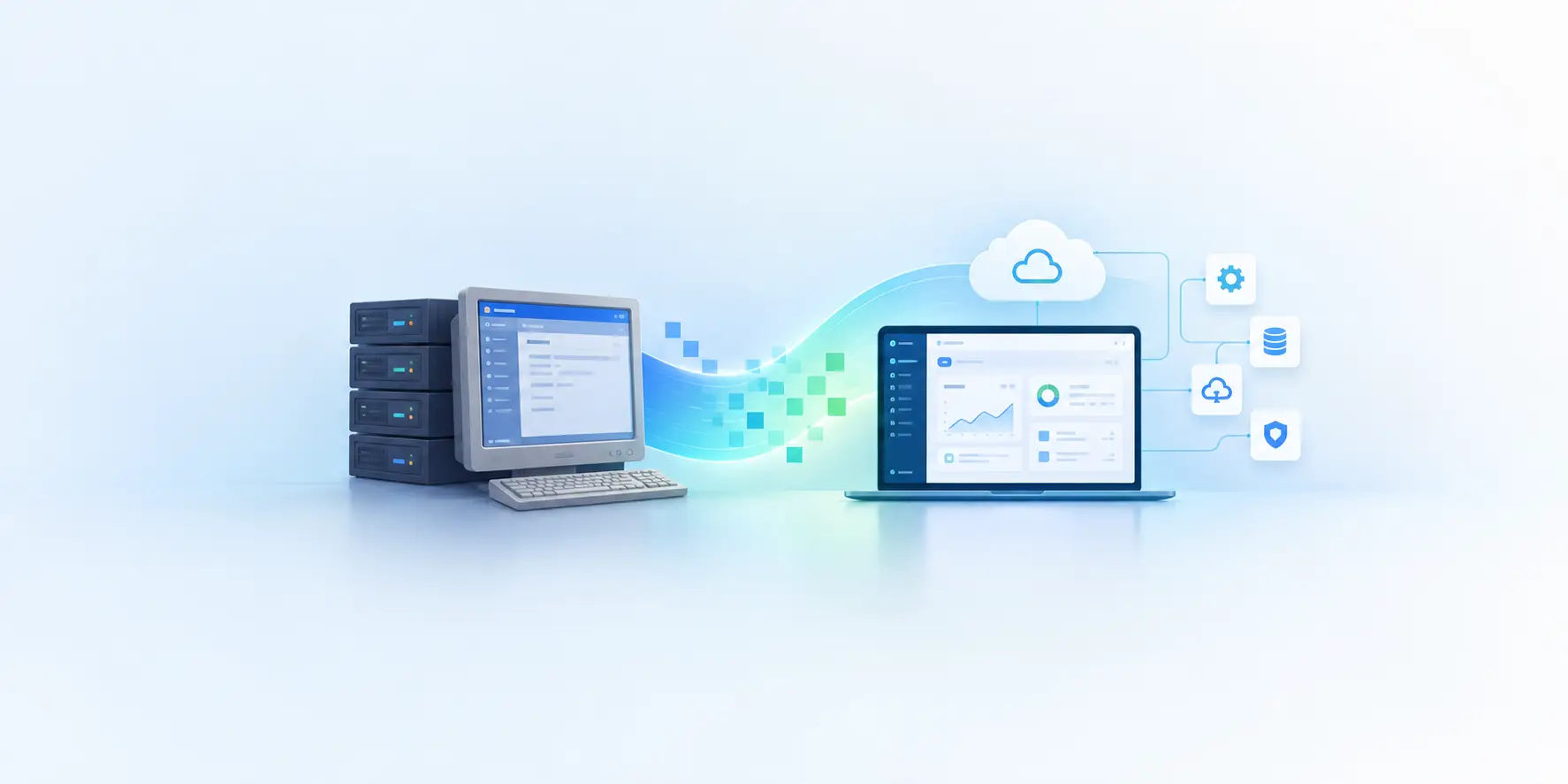
Legacy Software modernization: An application can remain valuable long after the technology it was built with has become difficult to maintain. Many businesses depend on software that has been running for years. It may contain important business rules, customer information, integrations, reports, and workflows that the organization cannot easily replace. At the same time, making […]

Your software should help your business grow not force your team to work around outdated systems. Here are eight signs that legacy software, spreadsheets, or manual processes may be holding your business back.

A custom web portal should be a productivity asset, not an administrative burden. Discover how specialized healthcare software development can streamline your operations and drive measurable ROI.
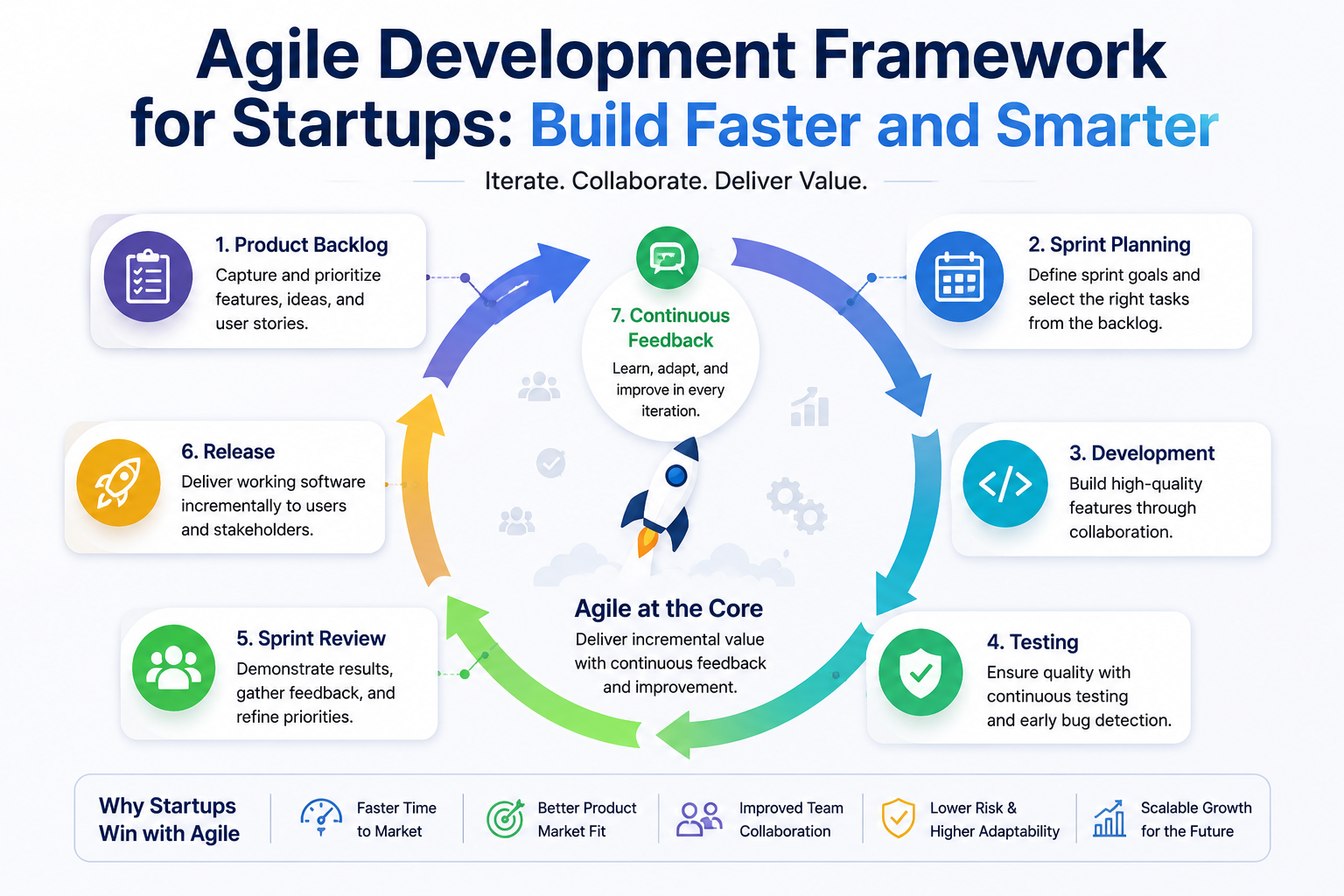
An Agile Development Framework is one of the most effective ways for startups to build products, adapt to market changes, and deliver value faster. Unlike traditional software development approaches that rely on lengthy planning cycles and rigid requirements, Agile allows teams to iterate quickly, gather feedback continuously, and make informed decisions throughout the development process. […]

Agile software development succeeds when transparency is built into every stage of delivery. Discover 7 reasons why transparent communication, real-time visibility, and collaborative workflows help startups reduce risk, build trust, and scale faster.